

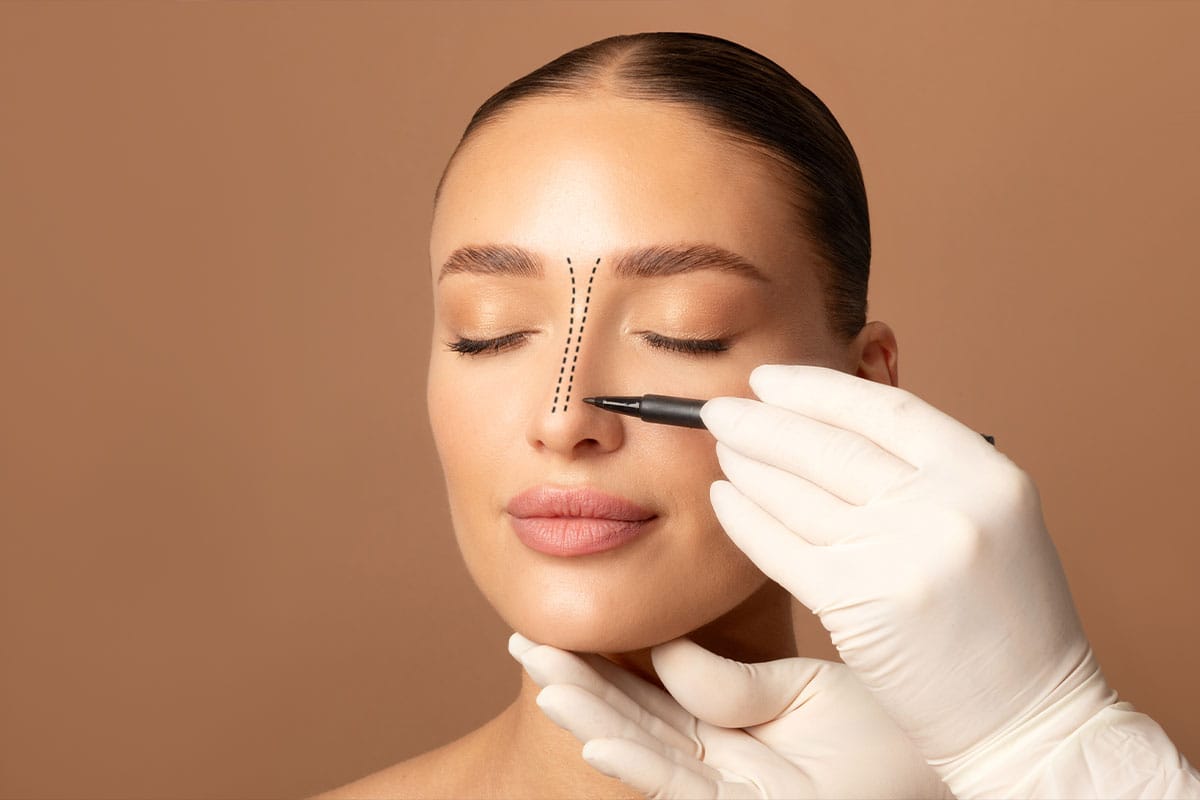
Between surgeries, I slipped into my consult room, coffee getting cold on the coaster, when a new patient whispered, “How much is a rhinoplasty operation, really?” The sound of rain tapped the window at 823 Campbell Hill Street NW, near the Square, and the afternoon light fought through clouds. I smiled, because as a board‑certified plastic surgeon and one of the local rhinoplasty surgeons I know that question holds a hundred smaller ones—rhinoplasty cost, anesthesia, revisions, time off, and whether it’s even worth it. I told her I’d be honest, maybe too honest; I tell my staff I’m probably too honest with patients. Last spring I had mapped out a similar plan for a college senior, and this past Tuesday I updated her pictures. Right before the holidays another patient called from traffic on 75, nervous about budgets and timing. Cost isn’t a line item; it’s a plan with corners, edges, and a few surprises. So I pulled a pen, drew boxes, and started where I always start: what I charge, why, and how to make it work for real life. I could feel the room steady as we breathed, surgeon and patient, both wanting clarity more than sales, both aware that numbers mean little without context today, especially when people compare rhinoplasty surgerys or search for rhinoplasty costs online.
What You Need to Know First
I start with the anatomy of cost before I ever talk about the anatomy of a rhinoplasty operation. In my practice, a rhinoplasty cost quote breaks into five boxes: my surgeon’s fee, anesthesia, facility, imaging and tests, and aftercare. I put them on one page so you can see the full picture and not guess at the missing lines.

My fee covers the planning hours you don’t see: measuring, digital morphing, coordinating with your breathing history, and the actual rhinoplasty operation time. Anesthesia is a separate team; I work with board‑certified anesthetists who bill by time, so longer, more complex reshaping costs more. Facility refers to the operating room, sterile instruments, supplies, and recovery nurses; I use an accredited outpatient center a short drive from my office near the Square. Imaging and tests can include a CT if I’m addressing septal or sinus issues, basic labs, and sometimes pre‑op medical clearance. Aftercare means splints, taping kits, saline, and several visits with me until swelling settles.
The Hidden Costs: Time, Travel & Timing
Most people don’t expect me to say that non‑surgical rhinoplasty cost matters, too. Time off work, childcare, Ubers if the splint makes you uneasy to drive, and even a couple of quiet days away from Marietta Square events can be part of the real price. Right before the holidays, hotels spike and schedules crunch; that tension can cost money and patience.
Aligning Costs With Your Goals & Schedule
Because the nose sits in the middle of your face and your life, I map the numbers to your goals. If breathing is part of the plan, insurance may cover a portion related to function; I still separate that from cosmetic work so neither side gets muddled. And yes, sometimes I advise waiting. This past Tuesday I told a young teacher to hold off until summer; her schedule would save her two weeks of unpaid leave.
I’m upfront about uncertainty. Healing adds its own variables: swelling that lingers, a cartilage memory that nudges a tip, or the rare need for a touch‑up. I include a revision policy in writing so you know what part I cover and what part you might. My nurse Michelle always reminds me to say it twice: the best budget is the one that expects a little unexpected. And yes, I practice in Marietta, GA, where local costs still vary by case and rhinoplasty surgeons.
The Real Story
In numbers, here’s how my quotes usually land for typical rhinoplasty cost, understanding that your plan may shift them up or down. For a primary cosmetic rhinoplasty without breathing work, my surgeon’s fee generally runs between $6,000 and $9,500. Anesthesia often ranges $900 to $1,600, depending on time. Facility fees usually fall between $1,600 and $2,800 for an accredited outpatient center. Imaging and tests can add $150 to $600; a CT can be higher if we’re sorting out septal deviation. Aftercare supplies and visits are bundled in my fee.
When breathing surgery is part of the same day of your rhinoplasty procedure, I separate cosmetic and functional components in writing. Insurance may reimburse the functional piece, but deductibles and approvals can surprise anyone. I warn you that timing authorizations can be slower than traffic on 75 during rush hour; I plan dates carefully so we don’t pay extra for delays.
The Price of Time
I also talk about the price of time. Most people don’t expect me to say your schedule can be as valuable as cash. If you can arrange a quiet long weekend, your bruising window might align with work-from-home days, and that can save you PTO. Last spring I met a software developer over lunch at Taqueria Tsunami; we sketched a plan on a napkin to hit a Thursday surgery and a Monday Zoom return. It worked, and he kept his bonus.
I keep my overhead transparent. I operate nearby so rides are short, and I don’t hide odd “administrative” line items. The afternoon light in my office reminds me to check that the quote reads plainly. If a rib graft or cartilage harvest is on the table, I explain the bump in time and cost. If a subtle tip refinement fits instead, I say so, even when it lowers my fee. I tell my staff I’m probably too honest with patients, but I sleep better that way.
Revision Policy: What I Cover vs. What You Cover
Revisions deserve a real paragraph. The revision rate in my own hands is low, yet nonzero; cartilage and skin sometimes negotiate with me after the fact. My policy: if I believe a minor tweak within a year will improve symmetry or contour, I waive my surgeon’s fee; you still handle anesthesia and facility. I put that in the quote, in ink. I practice in Marietta, GA, and I price accordingly today.
Making It Work
Once I know your priorities, I translate rhinoplasty cost into a step‑by‑step plan you can actually live with. I start with timing, because timing drives money. School calendars, quarter‑end crunches, and family trips collide with recovery if I don’t respect them. If you want to look presentable for photos right before the holidays, I back the surgery date up at least three weeks, and I say out loud that swelling has a vote, too.
Then I look for sensible places to save. I don’t pad quotes with fancy hotel stays; I’d rather you spend on precise technique than pillows. If you live close enough to 823 Campbell Hill Street NW, near the Square, you can sleep in your own bed and have a friend drive you; that alone can cut hundreds. If you’re coming from elsewhere in Georgia, I time your follow‑ups to reduce extra trips.
Payment Structures & Financing
I also offer payment structure for your rhinoplasty operation. A scheduling deposit holds your date, then I set milestones for the balance so you’re not swallowing the total at once. I accept HSA and FSA funds when the functional portion is documented. When financing makes sense, I talk through interest like a hawk, because I dislike the idea of you paying too much for borrowed money. My nurse Michelle always reminds me to write the final due date in big font; nobody needs a surprise.
I set expectations for little expenses that sneak up. Saline, arnica, a soft ice pack, extra gauze, and the ride home snack add up, but not wildly. I print a checklist, and I text it the week before so you’re not buying three versions at the pharmacy. This past Tuesday I caught a duplicate charge for a patient and called the vendor; small win, real dollars.
Making Space for Recovery
Making it work isn’t just dollars, it’s energy. I build in two quiet evenings with no big commitments, maybe even skipping one night around Marietta Square events so you can rest. If you must fly, I push you to wait, because pressure changes can swell a fresh nose. And I prepare you for mixed emotions. It’s hard to pay thousands and then stare at a swollen reflection; I keep your photos handy so you can track the arc. I say plainly that patience is hard, but saves money.
Where to Go From Here
When you’re ready to put numbers on paper, I like to meet with intention. Bring a short list: what you hope to change, what must not change, any breathing concerns, and the dates that matter. I’ll measure, photograph, and mock up shapes. I’ll ask you to rank goals one through three, because clarity saves money and regret.
The Two-Step Decision Process
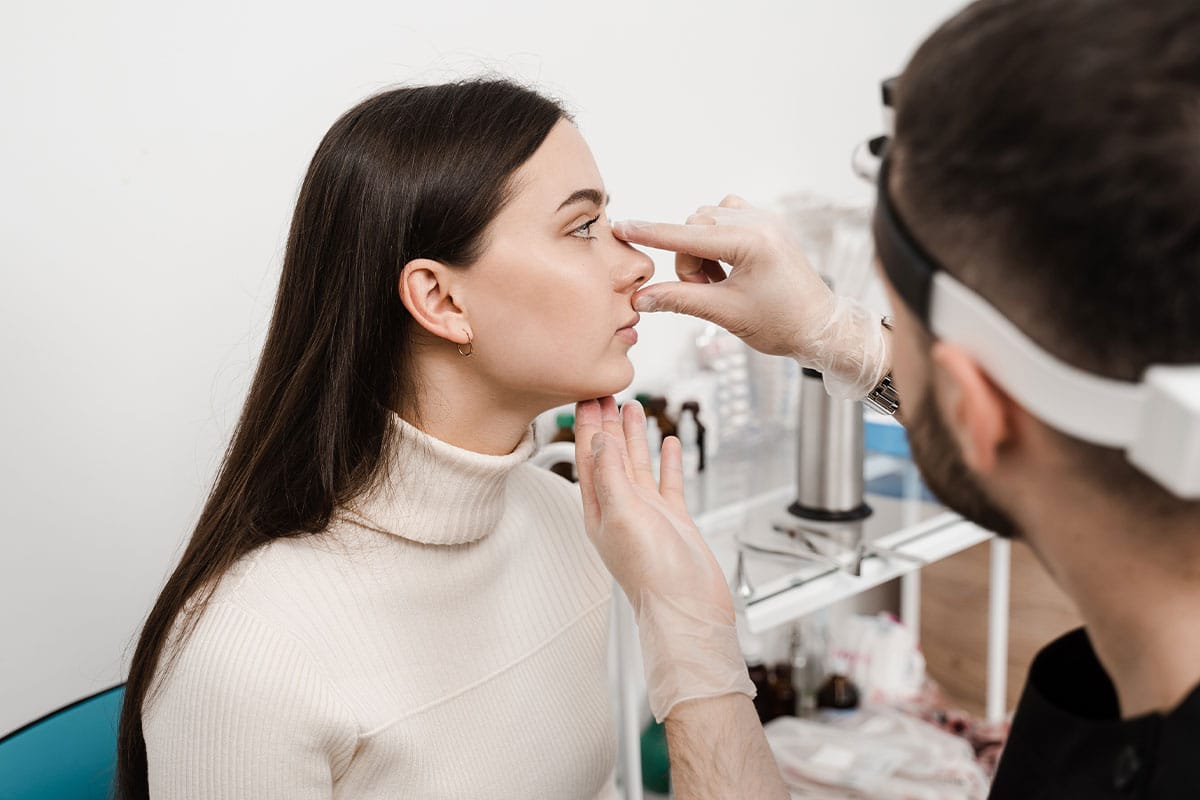
I prefer a two‑step decision. First visit: we talk, I examine, and I build a range with an itemized draft. You leave with it. No pressure. Sleep on it. Second visit: we sharpen the plan, lock the quote, and pick a date that matches your calendar and mine. If a functional component needs insurance pre‑authorization, I start that process immediately and warn you about possible delays.
If you want to see the flow, stop by my office in the late afternoon. The space is calm, and the day’s rhythm tells you more than a brochure ever could. Sometimes my coffee is still getting cold on the desk, and you’ll hear soft cleanup in the hall after a busy OR day. Between surgeries, I sometimes step out to the Square for fresh air, and the walk back helps me think through the next plan.
If logistics are tricky, I’ll meet you by video for the first pass and then bring you in to confirm exam details. I need precise cartilage feel and skin thickness before I finalize cost. It’s not glamorous, but it’s honest, and it keeps the quote anchored to your anatomy.
Final Thoughts
If you choose me, I book you, give you a prep packet, and assign a direct line. If you choose someone else, I still want you safe and informed. I mean that. Here in Georgia, great noses are built on realistic plans, not wishful thinking. Compare itemized quotes from rhinoplasty surgeons so you understand what’s included and how each rhinoplasty cost estimate handles facility and anesthesia. If anything I’ve said feels unclear, tell me. I’d rather fix confusion than fix a budget mistake. When you’re ready, meet me in Marietta, GA, and we’ll map your numbers to your life, not the other way around, calmly, stepwise, together.
Frequently Asked Questions
How soon can I see results, and does that affect cost?
I tell you the early shape shows within two weeks, but swelling blurs details for months. That timeline doesn’t change the upfront quote, yet it affects your real cost in time and expectations. If you need event‑ready photos, we plan the date so you’re stable. I also schedule included checkups to guide taping, which protects your investment and helps avoid any avoidable touch‑up later during recovery from your rhinoplasty operation.
Can I combine rhinoplasty with other procedures to save money?
Sometimes. I can pair a small chin implant or eyelid work in one session to share anesthesia and facility time. I’ll only do that if safety stays solid and the goals don’t compete. I price the combination transparently so you see the shared and separate parts. If combining stretches recovery or clouds decision‑making, I’ll advise staging instead, even if it lowers my fee. Safety saves , and smart staging can keep overall rhinoplasty cost predictable.
Getting Started
For patients seeking comprehensive care, our practice offers financing options to make procedures more accessible. We understand that investing in yourself shouldn’t create financial stress, which is why we work with you to find payment plans that fit your budget. Our Marietta practice specializes in creating natural-looking results that enhance your confidence. Beyond rhinoplasty, we offer a complete range of facial procedures designed to help you achieve your aesthetic goals with the highest standards of safety and care.

Written by: Dr. Atanu Biswas
Board-Certified Plastic Surgeon, Marietta Plastic Surgery
About Dr. Biswas

