


Healthy, radiant skin has a way of boosting confidence and making you feel your best. However, over time, factors such as sun exposure, aging, and stress can leave their mark in the form of fine lines, uneven tone, scars, or a dull texture. Laser resurfacing is a proven, minimally invasive treatment that helps rejuvenate the skin by gently removing damaged layers and stimulating natural collagen production. The result? Smoother, clearer, and younger-looking skin.
Yet “laser resurfacing” isn’t one procedure; it’s a family of technologies that vary in intensity, downtime, and risk. Some cause a weekend of redness with a steady glow to follow. Others require one to two weeks of careful aftercare and can soften deep wrinkles and revise scars. The challenge is cutting through jargon—ablative vs. non-ablative, CO2 vs. Er:YAG, fractional vs. full-field—to find a plan that suits your skin type, goals, and schedule. This article explains how resurfacing works, who benefits most, where the pitfalls are, and how to navigate timing, aftercare, and provider selection. The goal is to help you make a clear, informed decision, allowing you to improve your skin without unnecessary risk.
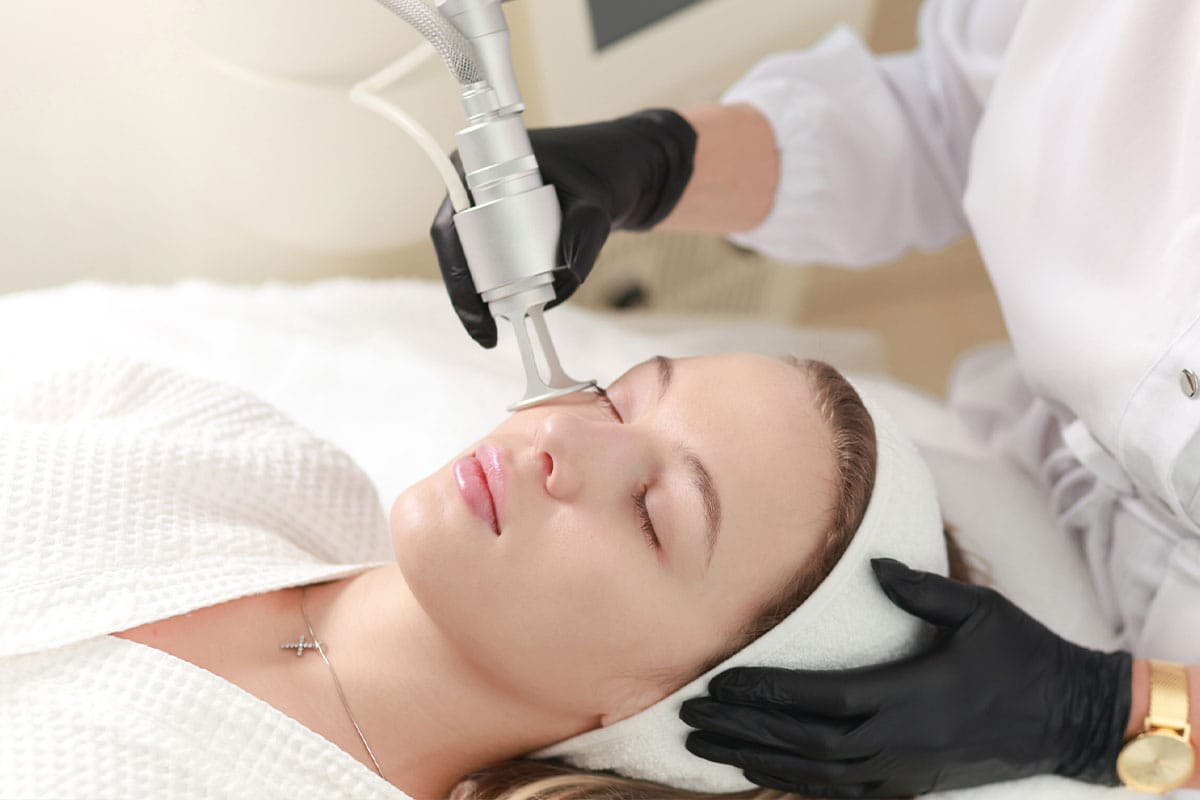
How Laser Resurfacing Actually Works
Laser resurfacing targets water in the skin—the chromophore that absorbs specific wavelengths of light. When water absorbs laser energy, it heats up, and this heat either vaporizes tissue (ablative) or creates a controlled thermal injury (non-ablative). Both pathways trigger repair cascades that remodel collagen and elastin.
- Ablative lasers remove micro-thin layers of skin. The two main types are CO2 (10,600 nm) and Er:YAG (2940 nm). CO2 penetrates slightly deeper and creates more thermal coagulation, which aids hemostasis and collagen remodeling but extends downtime. Er:YAG is absorbed more efficiently by water, ablates precisely with less heat spread, and can heal faster, though it may deliver slightly less tightening per session.
- Non-ablative lasers don’t remove skin; they heat columns of tissue to stimulate collagen growth over time, resulting in less downtime. Common wavelengths include 1540–1550 nm and 1927 nm. Results are gradual and typically require a series.
- Fractional technology applies energy in a grid of microscopic columns, leaving surrounding skin intact to speed healing. Fractional CO2 or Er:YAG is ablative but safer than old full-field passes; fractional non-ablative is gentler, with milder redness and swelling.
In practice, providers adjust the wavelength, energy, density (i.e., the number of micro-columns per square centimeter), number of passes, and pulse profiles to balance improvement with recovery and risk. The same device can be tuned for subtle brightening or for meaningful resurfacing of deeper lines and scars.
Who Stands to Benefit and Who Should Be Cautious
Laser resurfacing shines for:
- Photoaging: mottled pigmentation, roughness, enlarged pores, fine-to-moderate etched lines, and dullness. Perioral (upper lip) and periorbital (around the eyes) regions respond especially well.
- Acne scarring: rolling and boxcar scars often improve; icepick scars may need adjuncts like TCA CROSS or punch techniques.
- Texture irregularities: keratoses and persistent rough patches.
- Surgical or traumatic scars: fractional passes can soften edges and improve pliability.
Caution is vital for:
- Darker skin tones (Fitzpatrick IV–VI) and anyone with a history of post-inflammatory hyperpigmentation (PIH). Conservative non-ablative fractional settings, test spots, and pre-treatment pigment protocols (such as topical hydroquinone or tranexamic acid when appropriate) help reduce risk. Ablative lasers can still be used, but only by very experienced hands with careful parameters.
- Melasma: Traditional resurfacing can worsen it. If considered, it should be with a clinician experienced in melasma using low-fluence strategies, strict pigment control, and rigorous sun protection; even then, alternatives may be safer.
- Recent isotretinoin use: older guidance advised waiting 6–12 months. Newer data support the use of fractional non-ablative treatments earlier; however, many clinicians remain cautious, especially with ablative treatments. Discuss timing with your provider.
- Active acne, eczema, or infections: control these before treatment to reduce complications.
- Smokers and those with connective tissue disease or impaired wound healing: healing may be slower.
- Pregnant or breastfeeding patients: elective resurfacing is usually deferred.
What to Expect Before, During, and After Laser Resurfacing
Preparation matters as much as the device. A thorough consult should cover your goals, medical history, photosensitizing medications, prior treatments, and acceptable downtime. Expect standardized photos and a discussion of realistic outcomes. You may be advised to:
- Discontinue retinoids and exfoliants 3–7 days before the procedure (or longer for stronger actives).
- Start an antiviral if you’ve a history of cold sores, especially for perioral or nasal treatments.
- Pre-treat with pigment modulators if you’re at risk for PIH.
- Avoid sun exposure and self-tanners; wear broad-spectrum SPF 30+ daily.
During the procedure, a topical anesthetic is commonly used. For deeper ablative passes, nerve blocks, oral analgesics, or tumescent anesthesia may be used. You will wear eye protection. Treatment time ranges from 15 minutes to over an hour, depending on the area and the intensity of the treatment. You will feel heat; integrated cooling and airflow help. The endpoint is a controlled, uniform response—frosting, pinpoint bleeding, or erythema depending on the device and mode.
Downtime depends on intensity:
- Fractional non-ablative: redness and swelling for 24–72 hours, with sandpapery texture or bronzing that flakes over several days.
- Fractional ablative: oozing and crusting for 2–5 days, with re-epithelialization by day 4–7, then pinkness for 1–3+ weeks.
- Full-field ablative (less common today): 10–14 days of wound care and longer erythema.
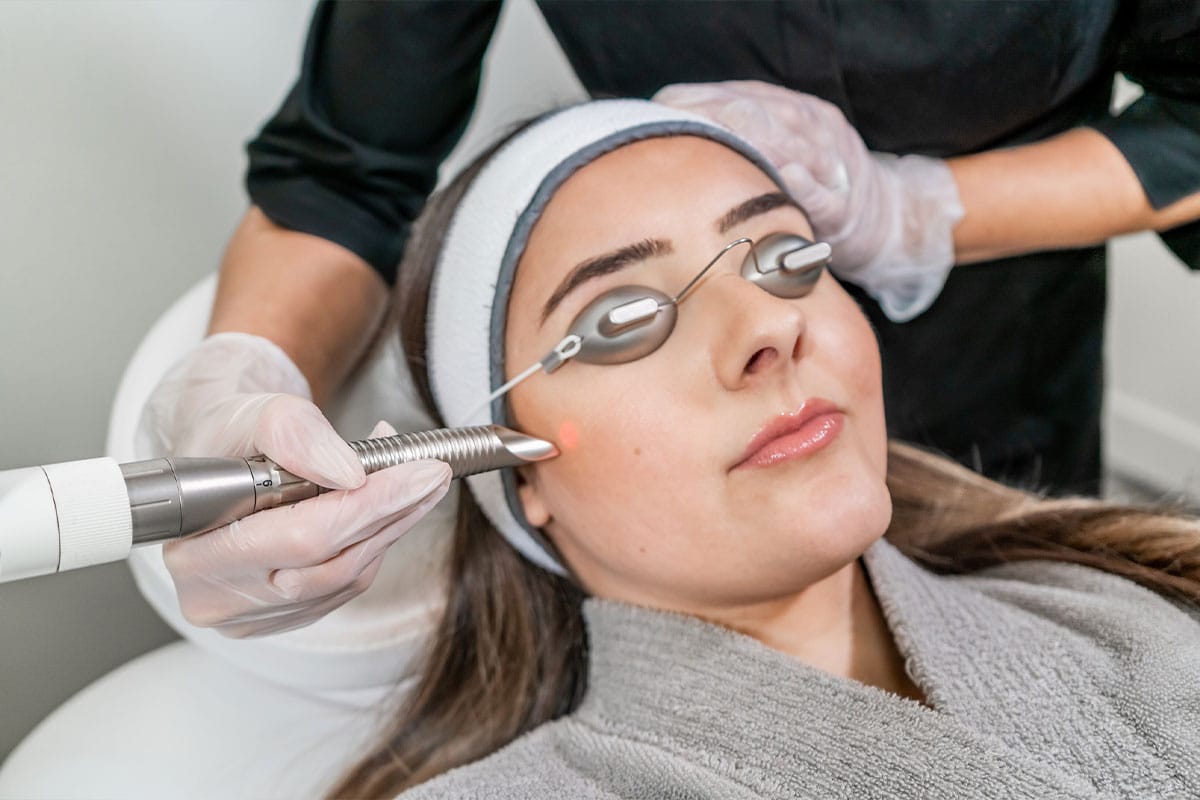
Aftercare is non-negotiable. Your provider’s protocol may include:
- Gentle cleansing and frequent application of occlusives, such as petrolatum, until the skin has fully re-epithelialized.
- Diluted acetic acid soaks or saline compresses for ablative treatments to keep the surface clean and calm.
- Elevation and cold compresses to reduce swelling in the first 48 hours.
- Strict sun avoidance, wide-brim hats, and daily broad-spectrum SPF 30+; tinted sunscreens with iron oxides help block visible light that can induce pigmentation.
- Avoid hot yoga, saunas, and intense workouts for a few days to limit inflammation.
- Short courses of mild topical steroids may be used after ablative sessions to reduce prolonged redness; your provider will guide you through this.
- Do not pick at flakes or crusts; let them detach naturally to avoid scarring and hyperpigmentation.
Results timelines vary. Non-ablative series (3–5 sessions, spaced 3–6 weeks apart) build gradual improvement in tone, pores, and fine lines, peaking several months after the last session as collagen remodels. Ablative resurfacing can deliver dramatic change in one session for etched lines and scars, with continued tightening over 3–6 months. Regular maintenance, performed once or twice a year, helps preserve your gains.
Risks, Side Effects, and How to Minimize Them
Common, expected effects include redness, swelling, warmth, and transient bronzing or flaking. Less common but important risks include:
- Post-inflammatory hyperpigmentation (PIH), especially in darker skin or after sun exposure. Prevention: pre-treatment pigment control, conservative settings, and strict photoprotection.
- Hypopigmentation and textural demarcation lines are more likely to occur with aggressive full-field passes, particularly on the neck and chest, which tend to heal more slowly than the face. Many providers use lower energy or avoid ablative resurfacing on thin-skinned areas.
- Infection: bacterial, fungal, or HSV reactivation. Clean technique, appropriate antivirals, and vigilant aftercare reduce risk.
- Prolonged erythema, acne, or milia flares, contact dermatitis from products, and, rarely, scarring.
Selecting an experienced, board-certified dermatologist or plastic surgeon, setting realistic goals, and following pre- and post-operative instructions are the best ways to increase the odds of favorable outcomes.
Making Smart Choices About Devices, Plans, and Partners
Matching the tool to the job is key:
- Fine lines, pigment, and overall “polish” with minimal downtime: fractional non-ablative (1550/1540 nm for collagen, 1927 nm for pigment) in a series.
- Etched lip lines, deeper wrinkles, and moderate acne scars: fractional ablative CO2 or Er:YAG, potentially in one or two sessions, sometimes combined with microneedling RF or subcision for scars.
- Icepick scars: targeted TCA CROSS plus fractional passes.
- Diffuse blotchy pigment without active melasma: non-ablative fractional 1927 nm or a sequence that addresses vascular and pigmented components before resurfacing.
Ask prospective providers:
- What device and settings are best suited for my skin type and goals? What is the expected downtime?
- How many sessions do you recommend, and what improvements are realistic to expect?
- What is your plan to minimize pigment changes in my skin type? Will we do a test spot?
- How will you manage pain and post-care? What products should I use or avoid?
- What areas are you treating, and are there modifications for the neck, chest, or hands?
Costs vary depending on the device, geography, area size, and intensity. Non-ablative fractional sessions may range from a few hundred to over a thousand dollars per treatment; fractional ablative can run from $1,500 to $6,000+ for a full face. Factor in time off work and aftercare products when budgeting. Before-and-after photos of patients with similar skin types and concerns are more instructive than generic galleries.
Practical Applications: Three Real-World Scenarios
- The lip line dilemma: A 58-year-old with smoker’s lines seeks a long-lasting solution. Fillers help structure, but can look bulky around the mouth. A fractional ablative CO2 session focused on the perioral region is performed with nerve blocks for comfort. Downtime is about a week of crusting and two more weeks of pinkness. Result: 50–70% softening of etched lines in one treatment, less lipstick bleed, and smoother texture. A second, lighter session nine months later refines the outcome.
- The acne scar comeback: A 30-year-old with rolling and boxcar scars across the cheeks has combination therapy. Subcision releases tethered scars, followed by fractional ablative Er:YAG at moderate density to resurface. An antiviral is given prophylactically due to a history of cold sores. Downtime is five days of healing, followed by two weeks of redness. Over a period of six months, collagen remodeling yields a 40–60% improvement in scar reduction. One maintenance fractional non-ablative session at four months enhances texture with minimal downtime.
- The cautious pigment case: A 38-year-old with Fitzpatrick V skin and post-acne PIH seeks a smoother texture and reduced mottling. The plan avoids ablative lasers and any aggressive energy. After four weeks of pigment prep with hydroquinone and strict daily SPF, a test spot is performed with a 1550 nm fractional non-ablative laser at low energy and density. No PIH occurs, so two full-face sessions are scheduled six weeks apart. The patient sees subtle pore refinement and more even tone without pigment rebound, then transitions to maintenance with chemical peels and diligent sun protection.
Takeaway and Next Steps
Laser resurfacing isn’t one-size-fits-all—it’s a spectrum. The right choice depends on the depth of your concerns, your skin’s pigment and healing tendencies, and your tolerance for downtime. Get specific about your goals, then match them to a plan: non-ablative fractional for steady, low-downtime refresh; fractional ablative for meaningful line and scar revision; thoughtful combinations for complex cases. Choose an experienced provider, commit to pre- and post-care, and protect your investment with daily sun defense. If you’re on the fence, ask for a test spot and a staged approach. Done well, resurfacing doesn’t just make skin look better—it helps it behave younger by rebuilding a healthier foundation.
When considering your options, explore different laser procedures like Fraxel laser or Contour TRL to find the best match for your specific needs.

Written by: Dr. Atanu Biswas
Board-Certified Plastic Surgeon, Marietta Plastic Surgery
About Dr. Biswas

